

Early intervention for hair loss is defined as beginning treatment within the first few years of noticeable thinning, before follicle damage becomes permanent. For adults aged 20–40, this window is the most critical period in determining long-term hair density. Androgenetic alopecia is progressive and does not improve on its own. Watchful waiting results in permanent follicle loss. The early intervention hair loss benefits are not marginal. They are the difference between preserving what you have and spending years trying to recover what is gone.
What are the biological reasons timing matters so much?
Hair follicle miniaturisation is the central mechanism behind androgenetic alopecia. Dihydrotestosterone (DHT) binds to receptors in genetically sensitive follicles, gradually shrinking them over successive growth cycles. Each cycle produces a thinner, shorter hair until the follicle stops producing visible growth entirely.
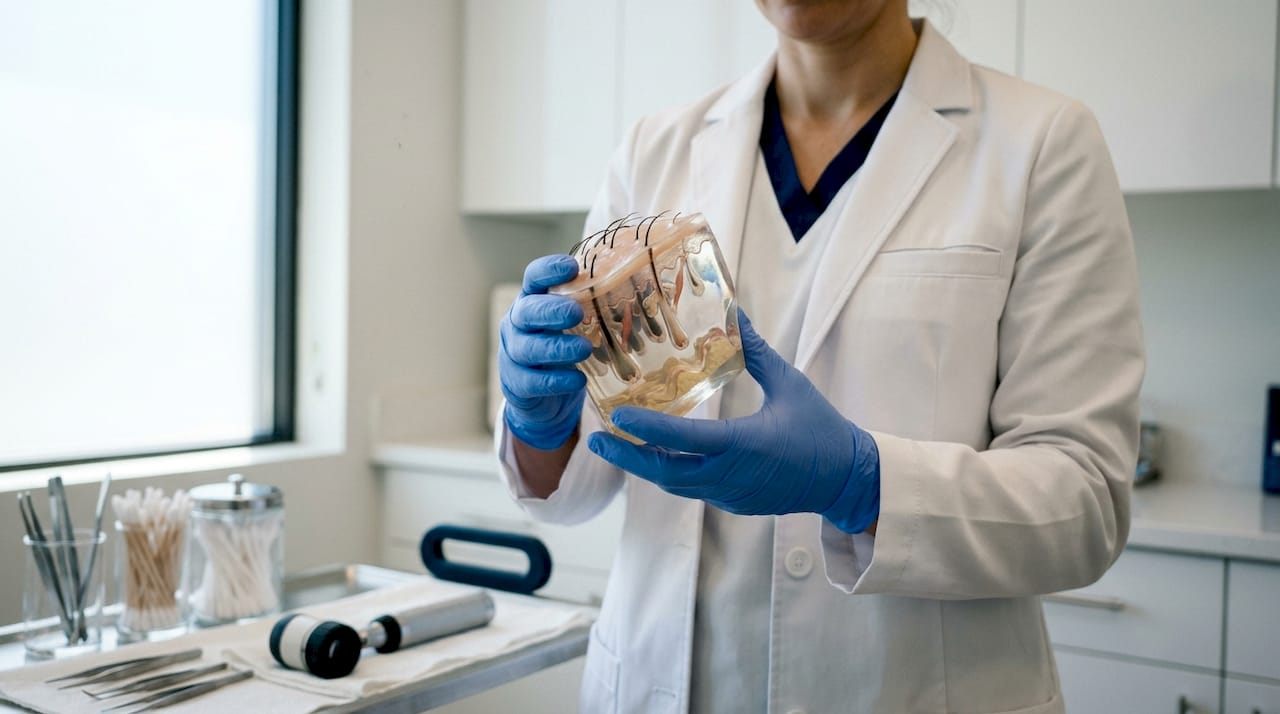
The anagen phase, which is the active growth stage of the hair cycle, shortens progressively as miniaturisation advances. A healthy follicle spends two to six years in anagen. A miniaturised follicle may spend only weeks. Once the follicle has been inactive long enough, the dermal papilla cells that drive growth begin to atrophy.
The golden window for intervention is within three to five years after onset, before follicles reach irreversible atrophy. Beyond Norwood Stage III, follicles respond poorly to non-invasive treatments. This is why the importance of timely hair loss care cannot be overstated for people in their twenties and thirties.
Key biological signals that confirm you are still within the treatable window:
- Fine or vellus hairs visible at the crown or temples, rather than bare scalp
- Hair that feels thinner in texture but is still present across the affected area
- Scalp that is slightly more visible under direct light but not fully exposed
- A gradual increase in daily shed hairs, typically above 100 per day consistently
- Family history of pattern thinning with your own onset beginning before age 35
Inflammation also plays a significant role. Scalp inflammation accelerates follicle miniaturisation by disrupting the local environment that follicles depend on. A healthy scalp environment free from inflammation is fundamental to supporting hair growth and improving treatment success.
Which treatments offer the strongest benefits when started early?
Starting treatment early means you have access to the full range of options, from medical protocols to natural support. The combination approach consistently outperforms single-treatment strategies.
Medical protocols remain the most studied first line. A 2025 network meta-analysis found that finasteride combined with minoxidil produced an average increase of 29.68 hairs per cm² after 24 weeks. A real-world study of 502 men reported 92.4% stabilised or improved outcomes. These figures apply specifically to early-stage intervention. Starting the same protocol at a later stage produces measurably weaker results.
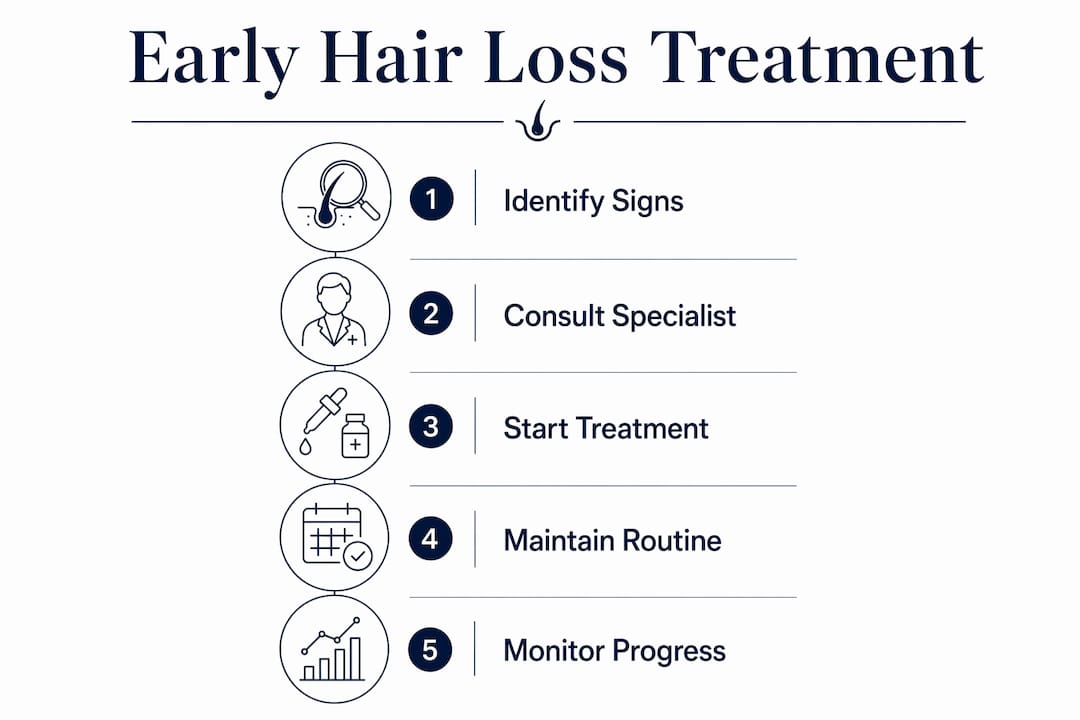
Regenerative therapies are advancing quickly. Platelet-rich fibrin (PRF) can improve hair density by 62–97% within three to six months, based on a systematic review of 20 studies with 724 patients. PRF works by concentrating growth factors from your own blood and injecting them into the scalp. Stem cell treatments and micrografts are also showing strong early-stage results in clinical settings.
Non-invasive natural support is where most people aged 20–40 prefer to begin, and rightly so. The following options are well supported and carry no pharmaceutical side effects:
- Biotin shampoo and caffeine shampoo: Caffeine penetrates the hair shaft and counteracts DHT at the follicle level. Biotin strengthens the hair structure from the outside. Used together, they support follicle vitality without disrupting scalp chemistry.
- Rosemary and saw palmetto shampoo: Rosemary extract has demonstrated comparable efficacy to minoxidil in some studies for stimulating scalp circulation. Saw palmetto is a natural DHT blocker that reduces the hormonal signal driving miniaturisation.
- Hair growth serum with biotin, caffeine, and Pro-Vitamin B5: Applied directly to the scalp, a targeted serum delivers active ingredients where they are needed most. Pro-Vitamin B5 (panthenol) supports scalp moisture and follicle resilience.
- Biotin gummies and hair growth vitamins: Oral supplementation addresses nutritional gaps that worsen thinning. Ferritin levels between 40–70 ng/mL are critical for healthy hair growth. Annual testing is recommended to catch deficiencies before they accelerate shedding.
Low-level laser therapy (LLLT) is the most significant non-invasive advancement in proactive hair restoration. Livdor’s laser hair growth cap uses 272 medical-grade lasers at a 650nm wavelength to improve scalp blood flow and follicle metabolism. LLLT works by energising mitochondria within follicle cells, which increases cellular activity and supports the anagen phase. The cap is drug-free, painless, and designed for consistent at-home use.
Pro Tip: Combine LLLT cap sessions with a scalp massage immediately afterwards. A 2016 Japanese study found that daily scalp massage over 24 weeks increases hair shaft thickness by mechanically stimulating dermal papilla cells. The two methods reinforce each other.
How to build a daily routine that maximises early treatment results
Consistency is the single most important factor in the effects of proactive hair restoration. A strong routine does not need to be complicated. It needs to be repeatable.
A practical daily and weekly structure looks like this:
- Morning wash (three to four times per week): Use a biotin and caffeine shampoo to cleanse the scalp and stimulate follicles. Follow with a rosemary and saw palmetto conditioner to lock in moisture and deliver DHT-blocking botanicals.
- Serum application (daily): Apply a hair growth serum to the scalp on dry or towel-dried hair. Massage gently for two minutes to aid absorption and stimulate circulation.
- LLLT cap session (every other day or as directed): Use Livdor’s laser cap for the recommended session duration. Most people build this into a morning or evening routine alongside another activity. Adherence is easier when the cap fits into an existing habit.
- Daily supplementation: Take biotin gummies and hair growth vitamins with a meal. Consistent oral supplementation supports the hair cycle from within, addressing nutritional factors that topical products cannot reach.
- Weekly scalp exfoliation: Remove product build-up and dead skin cells to keep follicles clear. A clean scalp absorbs serums and responds better to laser therapy.
Pro Tip: Most people overestimate how much their hair has changed by looking in the mirror. Monthly scalp photography is the most reliable way to track progress. Take photos under the same lighting conditions each time. The camera catches early miniaturisation that the eye misses.
Stress management and sleep quality directly affect hair health. Elevated cortisol pushes follicles into the telogen (resting) phase prematurely. Aim for seven to nine hours of sleep and address chronic stress through exercise, structured rest, or professional support. Nutrition matters equally. Protein, iron, zinc, and B vitamins are the primary dietary pillars of a healthy hair cycle.
What misconceptions slow down early hair loss treatment?
The biggest obstacle to successful early treatment is not biology. It is expectation management. People stop treatment too soon because they misread normal progress as failure.
Common misconceptions that derail treatment:
- “Natural means fast.” Natural treatments work, but they work gradually. Visible improvement from LLLT, serums, and supplements typically requires six to twelve months of consistent use. This is not a flaw. It reflects the length of the hair growth cycle itself.
- “Shedding means the treatment is not working.” Temporary shedding during minoxidil treatment is normal. Follicles synchronise their growth phases, causing older hairs to shed before new growth begins. Patients should expect this during the first one to two months and continue treatment.
- “I can manage this with over-the-counter products alone.” OTC products support hair health but rarely halt progressive androgenetic alopecia without medical or device-based support. A cyclical approach over 6–12 months with consistent adherence is critical. Initial shedding is part of follicle cycle reset, not treatment failure.
- “I will deal with it when it gets worse.” This is the most costly misconception. Once follicles have been inactive for 3–5 years beyond Norwood Stage III, they undergo irreversible atrophy. Waiting removes options.
Psychological resilience is part of the process. Viewing hair loss as a long-term management condition, rather than a problem to be solved quickly, produces better adherence and better outcomes. The people who succeed are those who treat consistency as the goal, not speed.
How to spot early signs of hair thinning and when to seek help
Most men do not notice hair loss until over 30–40% of density is already lost. That figure explains why so many people feel like thinning appeared suddenly. It did not. It progressed quietly for years before crossing the visibility threshold.
Recognising the early signs of hair thinning gives you the best chance of acting within the treatable window:
- A widening parting or increased scalp visibility under bright or overhead lighting
- Fine, translucent hairs replacing thicker ones at the hairline or crown
- Hair that feels less dense when you run your fingers through it, even if the mirror looks unchanged
- A family history of pattern baldness in a parent or grandparent on either side
- Increased hair on your pillow, in the shower drain, or on your hairbrush over several weeks
Self-monitoring is a habit, not a one-off check. Take monthly scalp photographs from consistent angles: top of the head, hairline, and temples. Compare them every three months. This approach catches miniaturisation that mirror checks miss entirely.
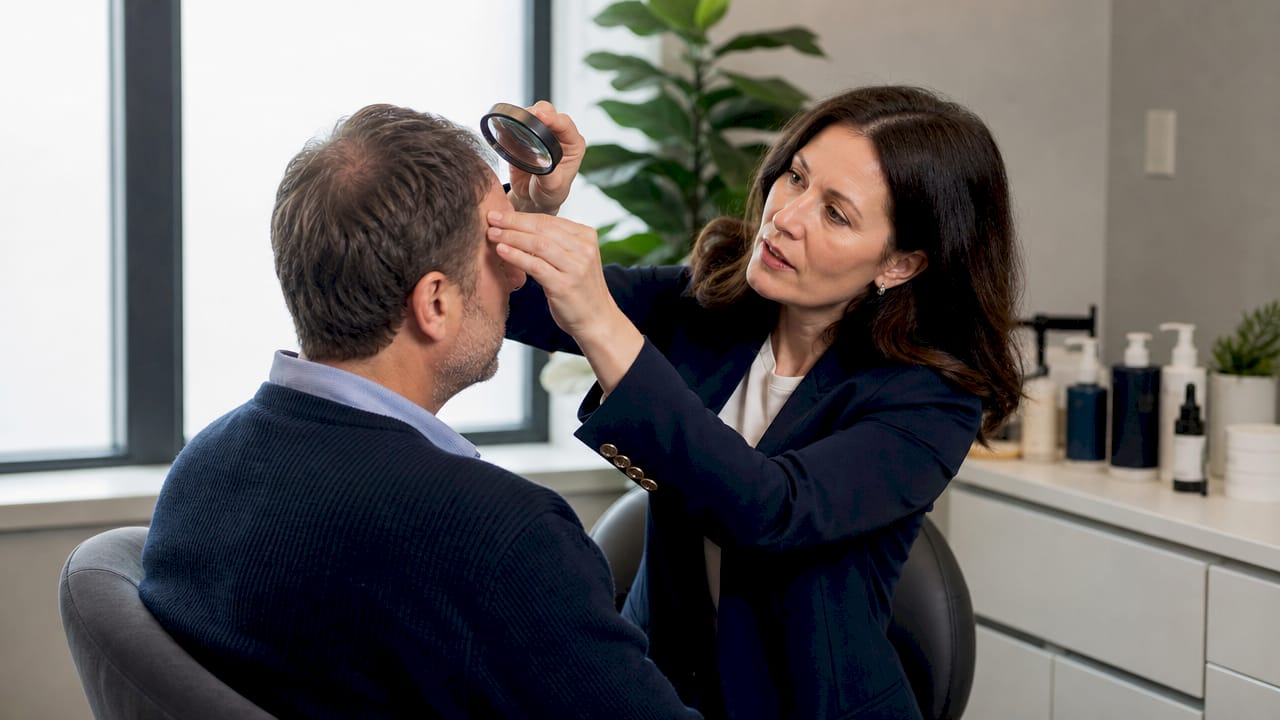
Seek a dermatological consultation when you notice two or more of the signs above, or when shedding increases noticeably over four to six weeks. A dermatologist can confirm the cause, rule out nutritional or thyroid-related hair loss, and recommend the right combination of treatments for your stage. Early diagnosis expands your options significantly. The hair thinning stages checklist from Livdor is a useful starting point for self-assessment before your appointment.
Key takeaways
Early intervention in hair loss is the most effective strategy for preserving follicle health, because the treatable window closes within three to five years of onset and cannot be reopened.
| Point | Details |
|---|---|
| Act within the treatable window | Follicles become irreversibly inactive within 3–5 years of onset; early treatment preserves viable follicles. |
| Combine treatment methods | LLLT, topical serums, DHT-blocking shampoos, and oral supplements work better together than any single approach. |
| Track progress with photography | Monthly scalp photos catch miniaturisation that mirror checks miss; density loss of 30–40% is invisible to the naked eye. |
| Expect a 6–12 month timeline | Visible results from non-invasive treatments require consistent adherence over six to twelve months, not weeks. |
| Address scalp health directly | A clean, inflammation-free scalp absorbs treatments better and supports the follicle environment needed for regrowth. |
Why I think most people in their twenties and thirties wait far too long
Having worked closely with people navigating early hair loss, the pattern I see most often is not ignorance. It is hesitation rooted in hope that things will stabilise on their own. They rarely do. Androgenetic alopecia is a progressive condition, and the biology does not pause while you decide.
What I have found genuinely effective is the combination of device-based therapy with a well-chosen product routine. LLLT caps, in particular, change the adherence dynamic. People use them because they are simple, painless, and fit into daily life without disruption. When you pair a Livdor laser cap with a hair growth serum and consistent supplementation, you are addressing the problem from three directions simultaneously: cellular energy, topical stimulation, and nutritional support.
The pitfall I see most often is people abandoning treatment at the two to three month mark because they do not see dramatic results. That is precisely when the follicle reset is happening beneath the surface. The people who stay consistent through that phase are the ones who report meaningful improvement at the six month mark.
My honest view is that the non-invasive route, when done properly and started early, is genuinely powerful. It is not a consolation prize compared to pharmaceutical options. For many people in their twenties and thirties, it is the right first line of action, and it works.
— Adam Bond
Livdor’s approach to early hair loss care
If you are in the early stages of thinning, the right time to build a proper routine is now, not when the loss becomes obvious.
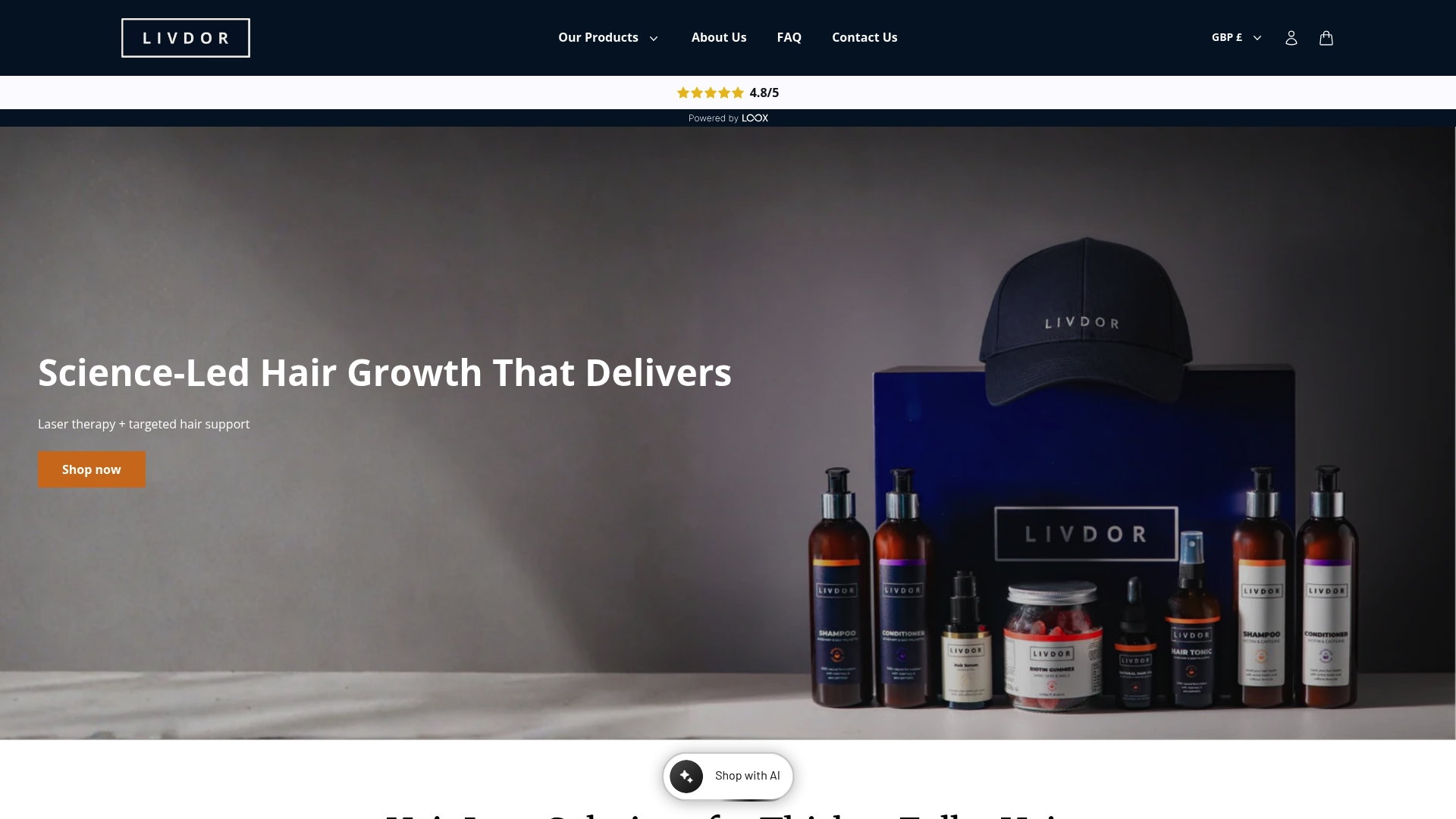
Livdor’s laser hair growth cap uses 272 medical-grade lasers at 650nm to stimulate follicles at the cellular level, with visible results reported from three months of consistent use. It pairs directly with Livdor’s full product range: a hair growth serum with biotin, caffeine, and Pro-Vitamin B5; biotin and caffeine shampoos; a rosemary and saw palmetto shampoo; biotin gummies; and hair growth vitamins made in the UK. Each product is drug-free and formulated to support the hair cycle without harsh chemicals. Used together, they address thinning from every angle. Explore the full laser hair growth range to find the right starting point for your routine.
FAQ
What is early intervention for hair loss?
Early intervention for hair loss means beginning treatment within the first few years of noticeable thinning, before follicle miniaturisation becomes irreversible. The optimal window is within three to five years of onset.
How long does early hair loss treatment take to show results?
Most non-invasive treatments, including LLLT and topical serums, require six to twelve months of consistent use before visible improvement appears. Initial shedding in the first one to two months is normal and not a sign of failure.
Can natural products genuinely stop hair thinning?
Natural products such as saw palmetto, rosemary, caffeine shampoo, and biotin supplements can slow miniaturisation and support follicle health when used consistently. They work best as part of a combined routine that includes device-based therapy such as LLLT.
When should I see a dermatologist about hair thinning?
Seek a dermatological consultation when you notice increased shedding over four to six weeks, visible scalp at the crown or temples, or a family history of pattern baldness. Early diagnosis significantly expands your treatment options.
Does LLLT actually work for early-stage hair loss?
LLLT devices using 650nm medical-grade lasers improve scalp blood flow and follicle metabolism. Clinical evidence supports their use as a non-invasive option, particularly when combined with topical treatments and oral supplementation for early-stage androgenetic alopecia.

Leave a comment
This site is protected by hCaptcha and the hCaptcha Privacy Policy and Terms of Service apply.