
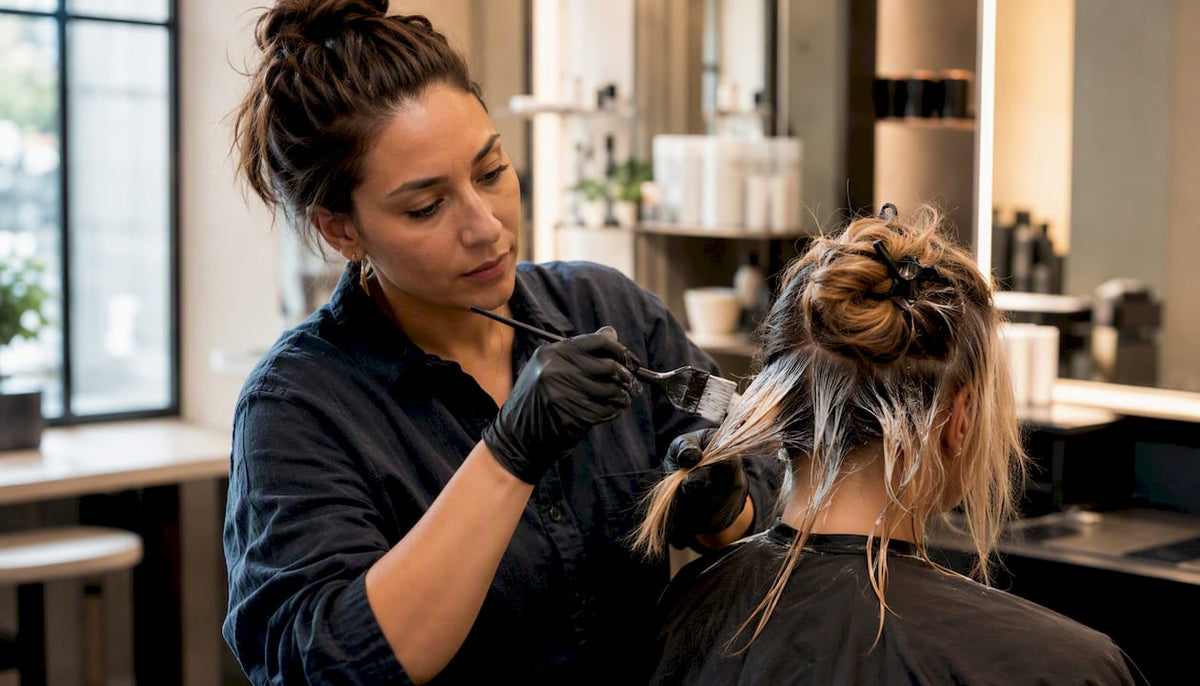
Bleach chemically weakens the hair shaft by oxidising melanin and breaking protein bonds, leaving hair more porous, brittle, and prone to breakage. Understanding these effects is the first step toward making safer choices and repairing the damage.
The main effects of bleaching on hair include:
- Increased porosity — the cuticle lifts and gaps form, making hair absorb and lose moisture rapidly
- Loss of elasticity — protein bonds in the cortex are oxidised, reducing the hair’s ability to stretch without snapping
- Brittleness and breakage — weakened fibres snap under normal brushing, heat, or tension
- Possible scalp irritation — alkaline chemicals can cause redness, itching, or, in severe cases, chemical burns
One distinction worth making early: most bleach-related hair loss is shaft breakage, not clinical follicular loss. The follicle itself is rarely destroyed by routine bleaching. That difference matters enormously for how you approach recovery.
Key takeaways
Bleach oxidises melanin and breaks protein bonds in the hair cortex, causing structural damage that accumulates with each session and is only partially reversible with consistent care.
| Point | Details |
|---|---|
| Bleach weakens the hair shaft | Oxidation of cystine bonds and melanin dissolution increase porosity and reduce tensile strength. |
| Shaft breakage vs. follicle loss | Most bleach-related hair loss is shaft breakage; follicles are rarely destroyed by routine bleaching. |
| Professional application reduces risk | Lower developer volumes and correct timing significantly limit protein oxidation and cuticle damage. |
| Aftercare can restore appearance | Bond-building treatments with citric acid, peptides, and ceramides improve strength over weeks to months. |
| Livdor supports drug-free recovery | The 650nm LLLT laser cap, combined with biotin serums and rosemary conditioner, offers a non-chemical route to supporting follicle health after bleaching. |
How does bleach actually change your hair’s chemistry?
Hair bleach works through a two-stage chemical process: an alkaline agent (usually ammonium persulphate or sodium persulphate) swells and opens the cuticle, then hydrogen peroxide penetrates the cortex and oxidises melanin granules until they lose their colour. The same oxidising chemistry that removes pigment also attacks keratin proteins, which is why bleaching is more damaging than standard hair dye.
Here are the key steps in sequence:
- Cuticle lift — the alkaline pH causes the overlapping cuticle scales to swell and separate, creating a pathway into the hair shaft
- Cortex penetration — hydrogen peroxide travels through the opened cuticle into the cortex, where melanin granules are stored
- Melanin oxidation — peroxide breaks the chromophore bonds in melanin, progressively lightening the hair from warm red-orange tones toward pale yellow
- Protein oxidation — the same peroxide oxidises sulphur-containing amino acids in the cortex, converting cystine disulphide bonds to cysteic acid and causing progressive protein loss
Developer strength directly affects how much damage occurs. A 10-volume developer (3% hydrogen peroxide) lifts approximately one shade and causes minimal structural disruption. A 40-volume developer (12% hydrogen peroxide) lifts four or more shades but creates substantially greater protein oxidation and cuticle disruption. Longer processing time compounds the effect at any strength.
Research note: Studies measuring proteomic and microscopic changes confirm that protein loss and sulphur amino acid oxidation correlate directly with bleaching severity, meaning higher-volume developers and repeated sessions produce measurably greater structural damage.
What bleaching does to the structure of your hair fibre
The principal structural consequences of bleaching are cuticle scale separation, cortical voids where melanin once sat, longitudinal fissures along the fibre, and the conversion of intact cystine bonds to the weaker cysteic acid form. Scanning and transmission electron microscopy studies have documented all four changes in excessively bleached hair.
At the microscopic level, the changes include:
- Cuticle scale separation and peeling — scales lift away from the shaft, exposing the cortex to environmental damage
- Endocuticle debris — fragments of the inner cuticle layer accumulate, disrupting the smooth surface
- Cortical voids — melanin granules dissolve, leaving microscopic holes that increase porosity
- Cysteic acid formation — oxidised disulphide bonds lose their structural role, weakening the protein matrix
These microscopic changes translate into very noticeable differences in how hair looks and feels. Before bleaching, healthy hair has a smooth, reflective surface that resists tangling. After bleaching, the same hair feels rougher to the touch, loses its natural shine, tangles more easily, and can develop a straw-like texture when dry. Increased porosity also means the hair absorbs water rapidly but cannot retain it, leading to persistent dryness.
Pro Tip: Try a simple float test to check porosity. Drop a clean, dry strand into a glass of room-temperature water. If it sinks within two minutes, your hair is highly porous — a sign that the cuticle is significantly compromised and that moisturising, pH-balanced products (around pH 4.5–5.5) will make the biggest difference to manageability.
What are the immediate and long-term effects of bleaching?
Bleaching causes immediate swelling and brittleness within hours of application; over months and repeated sessions, it leads to measurable loss of elasticity and, in some cases, a permanent change in texture that no product can fully reverse.
Immediate effects (hours to days):
- Shaft swelling from alkaline pH exposure
- Rough, porous surface that tangles and snags
- Noticeable loss of shine and colour vibrancy
- Scalp sensitivity, redness, or mild irritation
Short-term effects (weeks):
- Increased breakage during brushing and styling
- Split ends forming along weakened sections
- Colour fading faster than on untreated hair due to high porosity
- Dryness that worsens with heat styling
Longer-term effects (months, after repeated sessions):
- Progressive loss of tensile strength and elasticity
- Texture changes that persist even with conditioning
- Thinning appearance from cumulative shaft breakage
- Possible persistent brassiness as remaining melanin fragments oxidise further
The risk of lasting change rises sharply with several factors: using 30- or 40-volume developer, bleaching more frequently than every 8–10 weeks, applying bleach over previously bleached lengths (root overlap), having fine or already-fragile hair, and combining bleaching with regular heat styling or other chemical treatments such as perms or relaxers.
How can bleaching affect your scalp and follicles?
UK clinical guidance confirms that routine bleaching primarily damages the hair shaft above the scalp rather than destroying follicles. Most people who notice thinning after bleaching are experiencing shaft breakage close to the scalp, which mimics the look of hair loss but is structurally different.
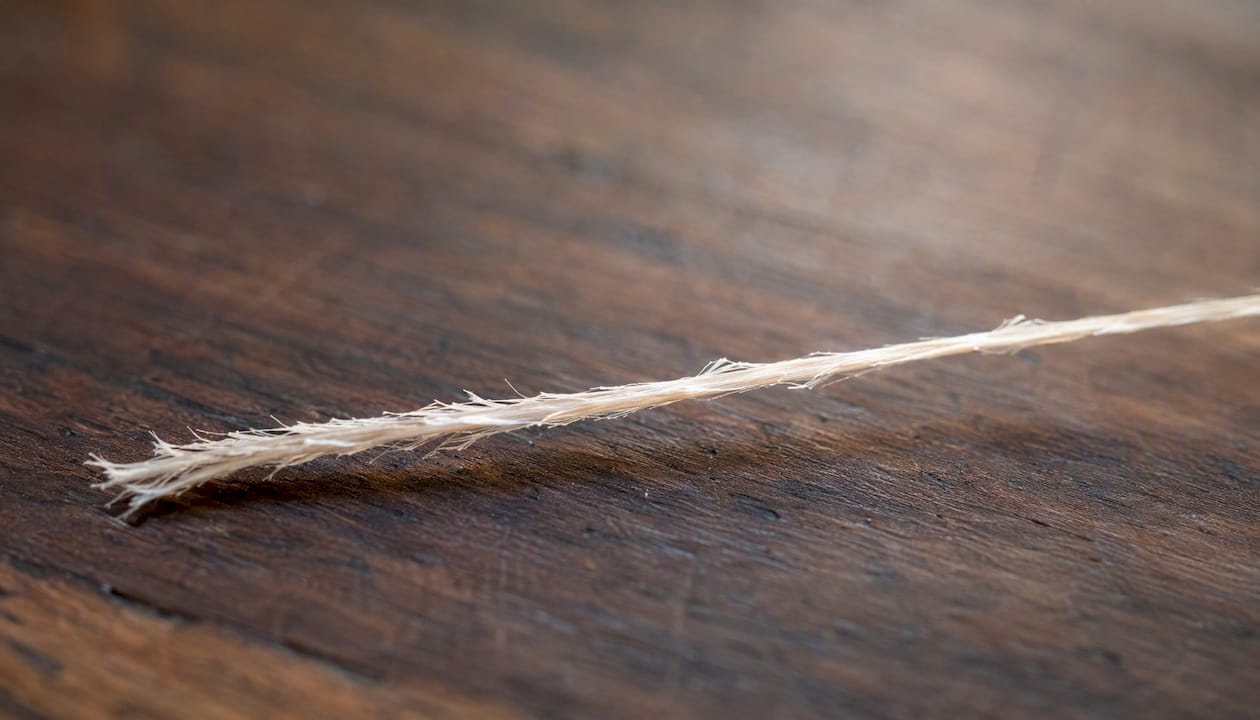
A common misconception is that bleach routinely kills follicles. In practice, the follicle sits below the skin surface and is largely protected from topical chemical exposure during a standard application. True scarring alopecia from bleaching is rare and typically follows severe chemical burns or untreated allergic reactions rather than ordinary lightening services.
That said, bleaching does carry real scalp risks:
- Chemical irritation — alkaline agents cause redness, itching, and sensitivity in many people
- Contact dermatitis — persulphate salts are a recognised cause of allergic reactions, ranging from localised rash to systemic symptoms
- Telogen effluvium — significant scalp trauma or stress can push follicles into a resting phase, causing diffuse shedding roughly 2–3 months after the triggering event
- Chemical burns — prolonged contact, high-strength developers, or broken skin can cause blistering and, in severe cases, scarring
Seek urgent attention if you notice blistering, severe pain during or after application, patchy permanent bald patches, or signs of a systemic allergic reaction (facial swelling, difficulty breathing).
Pro Tip: Always perform a patch test 48 hours before a full bleach application. Apply a small amount of the mixed product behind one ear or in the crook of the elbow, leave for the recommended time, then rinse. Any redness, swelling, or itching within 48 hours means you should not proceed — consult a GP or dermatologist before attempting the service.
How to protect your hair when you bleach it
Professional application with a conservative developer strength is the safest approach; if you bleach at home, strict safeguards reduce but do not eliminate the risks of bleaching hair.
Before bleaching:
- Assess your hair’s current condition with a strand test — wet a small section and gently stretch it. If it snaps immediately rather than stretching slightly, your hair lacks the protein integrity to withstand bleaching safely
- Complete a bond-building or protein treatment 1–2 weeks before the service to reinforce the cortex
- Space bleaching sessions at least 8–10 weeks apart; never re-bleach lengths that were processed in the previous session
- Avoid heat styling and other chemical treatments for at least two weeks beforehand
During bleaching:
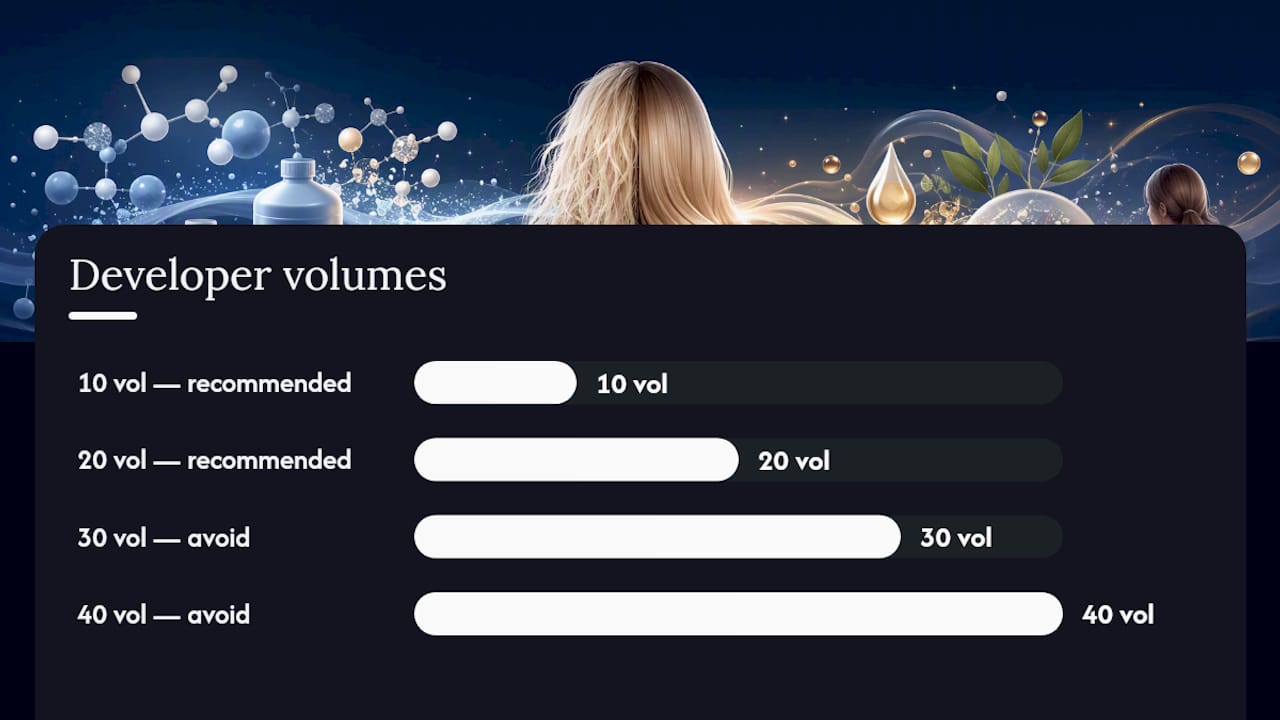
- Choose the lowest developer volume that achieves your target lift (10 or 20 volume for most at-home use)
- Monitor processing time closely — do not exceed the manufacturer’s recommended duration
- Apply to new growth only; overlapping onto previously bleached hair compounds damage rapidly
Immediately after:
- Rinse thoroughly with cool water to close the cuticle
- Apply a bond-repairing treatment or deep conditioner immediately
- Avoid heat styling for at least 48 hours
| Step | In-salon approach | Safe at-home alternative |
|---|---|---|
| Bond treatment | Professional in-chair bond builder applied pre- and post-bleach | Bond-building pre-shampoo treatment applied 1–2 weeks before |
| Developer strength | Colourist selects minimum effective volume | Use 10- or 20-volume only; avoid 30- or 40-volume |
| Mixing and timing | Precise ratios and monitored processing | Follow manufacturer instructions exactly; set a timer |
| Strand test | Performed on a hidden section before full application | Mandatory — test a small section 48 hours before |
Warning: Applying bleach to roots that overlap previously bleached lengths is one of the most common causes of severe shaft damage. The already-weakened section receives a double chemical insult, dramatically increasing the risk of breakage at the line of demarcation.
What does a good aftercare routine look like for bleached hair?
The core goals of aftercare are to replenish moisture, rebuild protein bonds, limit further oxidation, and reduce heat stress on an already-compromised fibre.
Daily habits:
- Cleanse with a sulphate-free, colour-safe shampoo — sulphates strip the lipid layer from an already-porous cuticle
- Apply a leave-in conditioner or detangling spray before brushing; always brush from ends to roots
- Keep heat styling to a minimum; when you do use heat, apply a thermal protectant first and keep temperatures below 180°C
- Sleep on a silk or satin pillowcase to reduce friction-related breakage overnight
Weekly treatments:
- Use a deep conditioning mask for 10–20 minutes once a week; look for ceramides, amino acids, and glycerin in the ingredient list, as these help restore the lipid layer and attract moisture
- Apply a bond-building treatment (containing citric acid, peptides, or maleic acid) every 1–2 weeks to reinforce the cortex
- If your hair has turned brassy, use a purple or blue-toning shampoo once a week to neutralise warm tones
Pro Tip: Purple shampoo deposits violet pigment to counteract brassiness, but overuse deposits too much pigment and leaves hair looking grey or dull. Use it once a week at most, leave it on for 3–5 minutes, and follow with a moisturising conditioner. If your hair is very porous, dilute the purple shampoo with your regular shampoo to reduce pigment deposit.
Research confirms that bond-repairing and moisturising treatments combining citric acid, peptides, ceramides, and glycerin can measurably improve tensile strength and appearance over weeks to months, though they cannot fully reverse severe structural loss.
How long does it realistically take to recover from bleach damage?
Visual improvement is possible within weeks; measurable strength gains take months; and full structural recovery from severe or repeated bleaching may require growing out the damaged lengths entirely.
Recovery timeline:
- Weeks 1–4: Consistent conditioning and bond-building treatments reduce roughness and tangling; hair feels more manageable
- Weeks 4–12: Tensile strength gradually improves with regular protein and moisture treatments; breakage frequency decreases
- 3–6 months: New growth emerges with intact cuticle structure; the contrast between healthy roots and damaged lengths becomes visible
- 6 months+: If chemical services have been paused, progressive trimming of damaged ends combined with a consistent care routine produces the most significant improvement
The rule of thumb for permanent texture change: if the cortex has been severely and repeatedly damaged across multiple bleaching sessions, and the cuticle layer is largely absent along significant lengths, no product will restore the original fibre structure. At that point, trimming is the most effective intervention. Pausing all chemical services for at least three months gives the scalp and follicles time to recover and allows new, undamaged growth to emerge.
When should you seek professional help in the UK?
Some bleach-related reactions need prompt attention rather than home management. Seek help quickly if you notice any of the following:
- Chemical burns — blistering, open sores, or severe pain on the scalp during or after application; attend an NHS urgent treatment centre or A&E
- Severe allergic reaction — facial swelling, hives, difficulty breathing, or anaphylaxis; call 999 immediately
- Rapid patchy shedding — losing hair in distinct patches rather than diffuse shedding; this warrants a GP referral to rule out alopecia areata or scarring conditions
- Persistent bald patches — areas that show no regrowth after three months; a GP can refer you to NHS dermatology or you can self-refer to a registered trichologist
For non-emergency concerns, your GP is the right first contact. They can refer you to NHS dermatology for patch testing (if contact dermatitis is suspected) or to a trichologist for hair and scalp assessment. Private trichologists registered with the Institute of Trichologists or the Trichological Society can also provide detailed scalp analysis without a GP referral. You can also explore clinic-based hair regeneration options if you want a professional assessment of device-led approaches.
Pro Tip: Before any clinic appointment, photograph your scalp and hairline in consistent lighting every two weeks from the point you notice a problem. Bring the product packaging or note the developer volume, brand, and how long it was left on. This information helps clinicians identify whether the cause is chemical, nutritional, or autoimmune, and speeds up the diagnostic process considerably.
Evidence-backed non-chemical options to support hair after bleaching
Non-chemical approaches can support follicle health and reduce visible thinning while your hair recovers, without adding further chemical stress to an already-compromised scalp.
Low-level laser therapy (LLLT) is one of the most studied non-chemical adjuncts for follicle support. Devices operating at 650nm wavelength deliver photobiomodulation to the scalp, stimulating cellular activity in the follicle and increasing local blood flow. LLLT is not a replacement for medical care if you have a diagnosed scalp condition, but it can be used alongside a recovery routine to support hair density without introducing new chemical insult. You can read more about drug-free hair thinning remedies that complement this approach.
Lifestyle and nutritional supports worth considering include:
- Biotin — supports keratin infrastructure; most relevant where deficiency is confirmed; available as supplements or in biotin-enriched shampoos and conditioners
- Iron and ferritin — low ferritin is a common and often overlooked driver of diffuse shedding; ask your GP for a blood test before supplementing
- Adequate dietary protein — hair is largely keratin; insufficient protein intake directly limits the raw material for new growth
- Omega-3 fatty acids — support scalp membrane health and reduce inflammation
- Avoiding smoking — smoking reduces scalp microcirculation and is associated with accelerated hair thinning
Safe topical supports include caffeine-containing shampoos (caffeine has been shown to penetrate the follicle and support hair cycle duration), rosemary and saw palmetto conditioners (both have evidence for supporting scalp health and reducing DHT-related thinning), and biotin-containing serums with Pro-Vitamin B5 (panthenol), which helps retain moisture in the shaft. A nutritional deficiency check is a sensible first step before starting any supplement.
Please consult a GP or qualified clinician before starting any new supplement regimen or using a laser device, particularly if you have a diagnosed scalp condition or are taking medication.
A perspective on bleach damage and what actually helps
There is a tendency in hair care to frame bleach damage as either catastrophic or entirely fixable with the right product. Neither extreme is accurate, and both do readers a disservice.
The honest picture is this: bleach causes real, measurable structural damage that accumulates with each session. Some of that damage is permanent at the fibre level. But the follicle, in most cases, remains intact and capable of producing healthy new growth. That distinction is what makes recovery genuinely possible, not just as a marketing claim, but as a biological reality.
What actually helps is less glamorous than most product marketing suggests. Stopping aggressive chemical services, following a consistent bond-and-moisture-led routine, and giving new growth time to emerge will do more than any single treatment. LLLT and nutritional support are legitimate adjuncts, particularly where thinning has become visible, but they work over months, not days. Realistic expectations are not pessimism; they are the foundation of a plan that actually holds.
If you are at the point of visible thinning or scalp sensitivity, the most useful thing you can do is pause, assess, and build a routine you can sustain. The evidence supports that approach consistently.
Supporting your recovery with science-backed, drug-free products
If bleaching has left your hair feeling fragile or you have noticed increased shedding, there is a clear, non-chemical pathway worth considering alongside your aftercare routine.
Livdor’s 650nm LLLT laser hair growth cap uses 272 medical-grade lasers to deliver photobiomodulation directly to the scalp, supporting follicle activity without any chemicals or pharmaceuticals. Paired with Livdor’s hair growth serum containing biotin, caffeine, and Pro-Vitamin B5, a rosemary and saw palmetto conditioner, and biotin gummies for nutritional support, it forms a complete, drug-free recovery stack. Each product is designed to complement the others: the laser cap stimulates the follicle, the serum nourishes the scalp surface, and the supplements address any nutritional gaps that slow regrowth. Visible results typically begin within three months of consistent use.
These products are supportive adjuncts, not medical treatments. Consult a clinician before starting LLLT or supplements if you have a diagnosed scalp condition.
Browse Livdor’s full laser hair growth range to find the right combination for your recovery plan.
Sources
- Effects of excessive bleaching on hair: comparative analysis of external morphology and internal microstructure | Applied Microscopy | Springer Nature Link
- To understand the structural and chemical effects of cosmetic peroxide bleaching on human hair (Wiley Online Library)
- Hair Bleach: How Does It Work? (WebMD)
- How To Care For Bleach-Damaged Hair | L’Oréal Paris
This article is general information, not a substitute for advice from a qualified doctor. Consult a qualified healthcare professional about your own circumstances before acting on anything here.
FAQ
Does bleach damage your hair badly?
Yes, bleach causes significant structural damage by oxidising protein bonds and lifting the cuticle, with severity increasing with developer strength and frequency of use. Consistent aftercare with bond-building treatments can reduce visible damage, but severe structural loss at the cortex level cannot be fully reversed.
Does bleach make your hair fall out?
Bleach most commonly causes shaft breakage rather than true follicular hair loss. Telogen effluvium (diffuse shedding) can occur 2–3 months after significant scalp trauma, but the follicle itself is rarely destroyed by routine bleaching.
How risky is it to bleach your hair?
The risk depends on developer strength, frequency, and your hair’s starting condition. Using a 10- or 20-volume developer, spacing sessions at least 8–10 weeks apart, and following a bond-building aftercare routine keeps risk manageable for most people. High-volume developers and overlapping onto previously bleached lengths carry substantially greater risk.
Why is bleach not good for hair?
Bleach uses alkaline agents and hydrogen peroxide to strip melanin, but the same chemistry oxidises keratin proteins and converts cystine disulphide bonds to the weaker cysteic acid form. This reduces tensile strength, increases porosity, and leaves the hair shaft more vulnerable to breakage from heat, friction, and repeated wetting.

Leave a comment
This site is protected by hCaptcha and the hCaptcha Privacy Policy and Terms of Service apply.